
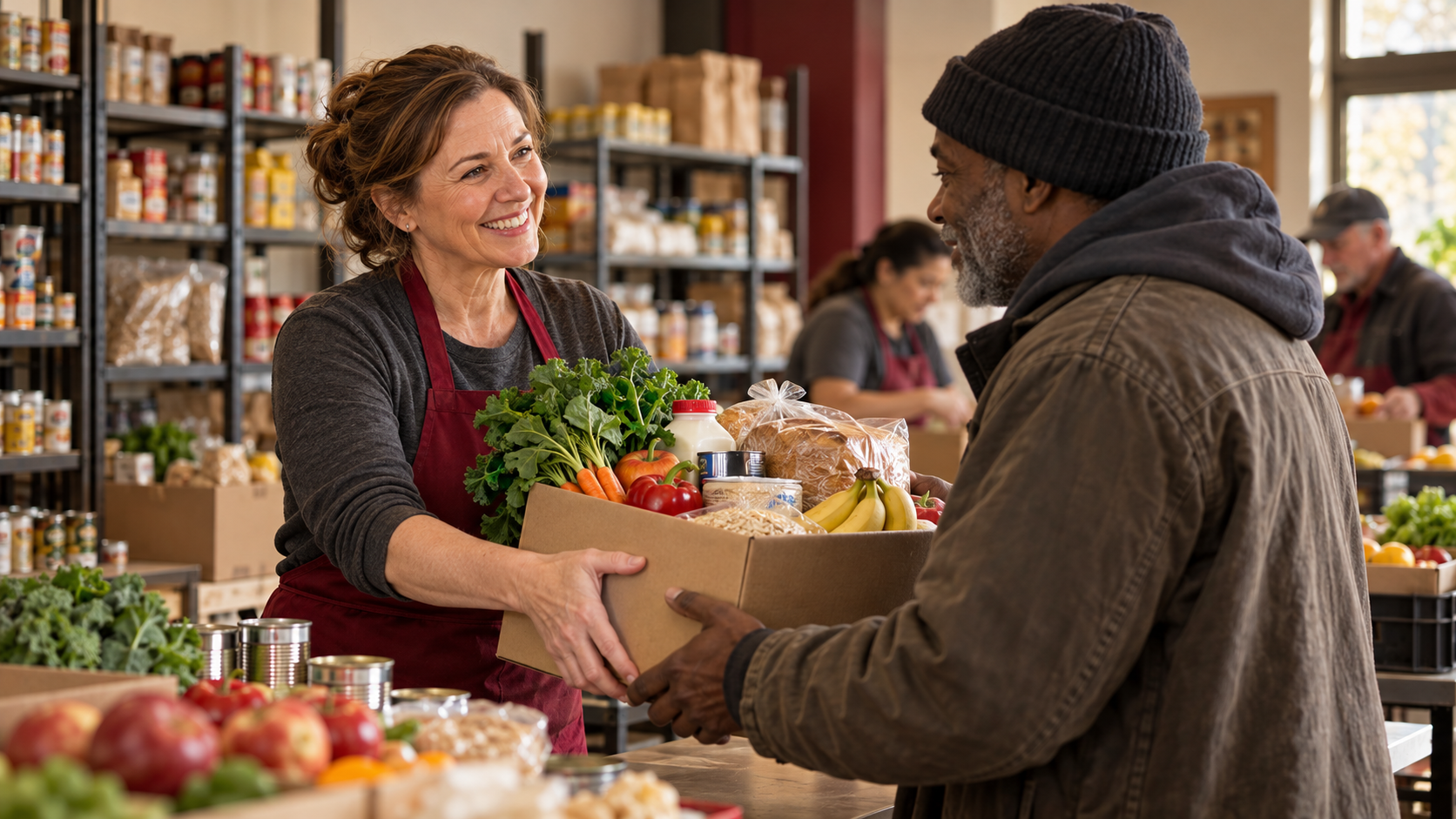

What to Bring to a Food Pantry: A First-Visit Checklist
Visiting a food pantry for the first time can raise questions. What should you bring? Will you need identification? How can you ask for food your family can use?
This guide offers clear steps to help you prepare, ask questions, and seek food assistance with dignity.
Explore the first-visit checklist ↓You Can Ask for Food Without Having Every Answer
Food pantries help neighbors during difficult seasons. Some people need short-term support after losing work. Others need help while caring for children or managing higher bills.
Whatever brought you here, asking about food assistance is a practical step. You do not need to explain every part of your life to ask a question.
However, each pantry sets its own rules. Some offer scheduled food boxes. Others offer walk-in distributions or shared meals.
For that reason, it helps to check before leaving home.
First step: Find the pantry’s official phone number or help page. Then ask whether you need an appointment, which area it serves, and what you should bring.
What to Bring to a Food Pantry
You may not need every item below. First, ask the pantry which documents and supplies it requires. Then bring only what applies to your visit.
- Appointment details: Save the date, time, address, and any pickup instructions.
- Identification, if required: Ask which forms the pantry accepts. Do not assume every program requires photo ID.
- Household information: Some programs ask how many people live with you and their ages.
- Proof of address or eligibility: Confirm exactly what the program accepts before visiting.
- Reusable bags or a cart: These can make groceries easier to carry if the pantry permits them.
- Food allergy details: Note allergies, food restrictions, and items your family cannot eat.
- Transportation plan: Check bus routes, ride options, and how much you can safely carry.
- A way to receive updates: Keep a phone number or another approved contact method handy.
Missing documents? Call anyway. Ask whether the pantry has another intake option. Rules vary, and staff can tell you what is actually required.
How to Prepare for Your First Food Pantry Visit
These five steps can make your visit easier. Start with the information you have. Then contact the pantry about any requirements you cannot meet.
Check the Pantry’s Current Process
Start with its official website or phone number. Ask whether new visitors must register. Also, confirm the pickup address, hours, and appointment rules.
If you need food right away, explain your timing. The pantry may suggest its next available option or another resource.
Explain Your Household’s Needs
Some programs ask about the number of adults and children who need food. Give accurate information. In addition, mention food allergies or other important restrictions.
For example, you can say, “There are three people in my household, and one person cannot eat peanuts. Is there a way to note that?”
Ask About Documents Before Traveling
A pantry may have eligibility or service-area rules. However, not all programs request the same documents.
If you lack a permanent address or photo ID, tell staff before your visit. They can explain whether another form of verification works.
Plan a Safe Way to Take Food Home
Bring bags if the pantry recommends them. If you are walking or using public transit, ask about typical box sizes.
For cold items, travel home promptly when possible. Then refrigerate or freeze food that needs safe storage.
Speak Up if Something Is Unclear
You can ask how often your household may receive food. You can also ask about language assistance, pickup procedures, and future appointments.
Before leaving, check whether the program has a way to notify visitors about changes.
Food Assistance Near Cincinnati: Bread of Life
If you live near Cincinnati, Landmark Bread of Life is one possible starting point.
Its official help page says food boxes and clothing assistance are by appointment. Submit the request form and wait for a callback before coming for those services.
In contrast, Bread of Life’s Monday community dinner at 5:30 PM is open to everyone. As always, check the official page for updates before traveling.
The request form includes household size, food allergies or restrictions, and preferred callback times. Therefore, having that information ready may make the request easier.
Visit Bread of Life’s Get Help Page →Important: A request does not guarantee an appointment, immediate groceries, or specific food items. Follow the organization’s instructions and wait for confirmation.
What if You Cannot Meet the Usual Requirements?
If You Do Not Have a Permanent Address
Ask whether the pantry serves people without stable housing. Some programs have ways to assist visitors who cannot provide a typical address. However, confirm the local rules directly.
If You Have No Transportation
Tell staff how you usually travel. Then ask whether the organization knows of accessible pickup options or nearby programs. Do not assume delivery is available.
If You Cannot Use Every Food Item
Explain allergies and dietary needs early. Also ask whether substitutions are possible. Some pantries offer choices, while others have fixed supplies.
If the Pantry Cannot Help Today
Ask about the next distribution or another nearby provider. You can also use 211 to look for local food and basic-needs resources in the United States.
Food Pantry First-Visit FAQs
Do I Need an ID to Visit a Food Pantry?
Not always. Requirements differ by program. Therefore, call ahead and ask what the pantry accepts.
Do I Need to Make an Appointment?
Some pantries require appointments, while others offer scheduled walk-in distributions. Check current instructions before traveling.
Can I Request Food for Children?
Many programs ask about household size to plan assistance. Share accurate information and ask what the program can provide.
What if I Have Food Allergies?
Tell staff about the allergy before receiving food. However, never assume an allergen-free item or substitute is available.
Is a Community Meal the Same as a Food Box?
No. A community meal provides prepared food, while a food box contains groceries. Each may follow different schedules and requirements.
Help Does Not Have to End With One Food Pantry
If you also need clothing direction, shelter resources, prayer, or a caring conversation, explore the options below. Each organization has its own services and requirements.
Start with prayer, practical care, and guidance toward the next right step.
Explore TGRM’s Need Help Page →Review its appointment process for food boxes and clothing, plus community dinner information.
Request Food or Clothing Help →Explore resources for emergency assistance, local relief, and community support.
Explore Help Resources →Share a prayer request if you wish. Avoid posting private or sensitive details publicly.
Visit the Prayer Wall →For churches and service organizations: Clear websites help neighbors find accurate information about services. Intangible Treasures supports ministries through digital tools. Its work is supported in part through professional web services from BuildRightWeb . These are digital-service resources, not food assistance providers.
Need Food Assistance or a Caring Next Step?
The Gospel Rescue Mission offers a starting point for prayer and resource direction. Share the city or region where you need help. Then explain the kind of support you are seeking.
We may not have every answer. However, we want to help you identify a useful next step with compassion and respect.
Helpful Resources and Information Notice
Food assistance policies, schedules, eligibility, and supplies can change. Therefore, confirm details directly with each provider before traveling.
Note: This article provides general guidance. It does not guarantee eligibility, appointments, transportation, supplies, or service availability.