
Prayer-First Outreach: Why Ministry Begins Before the Public Moment
Prayer-first outreach helps ministries prepare with compassion, practical care, Gospel hope, and clear next steps before serving people in the community.
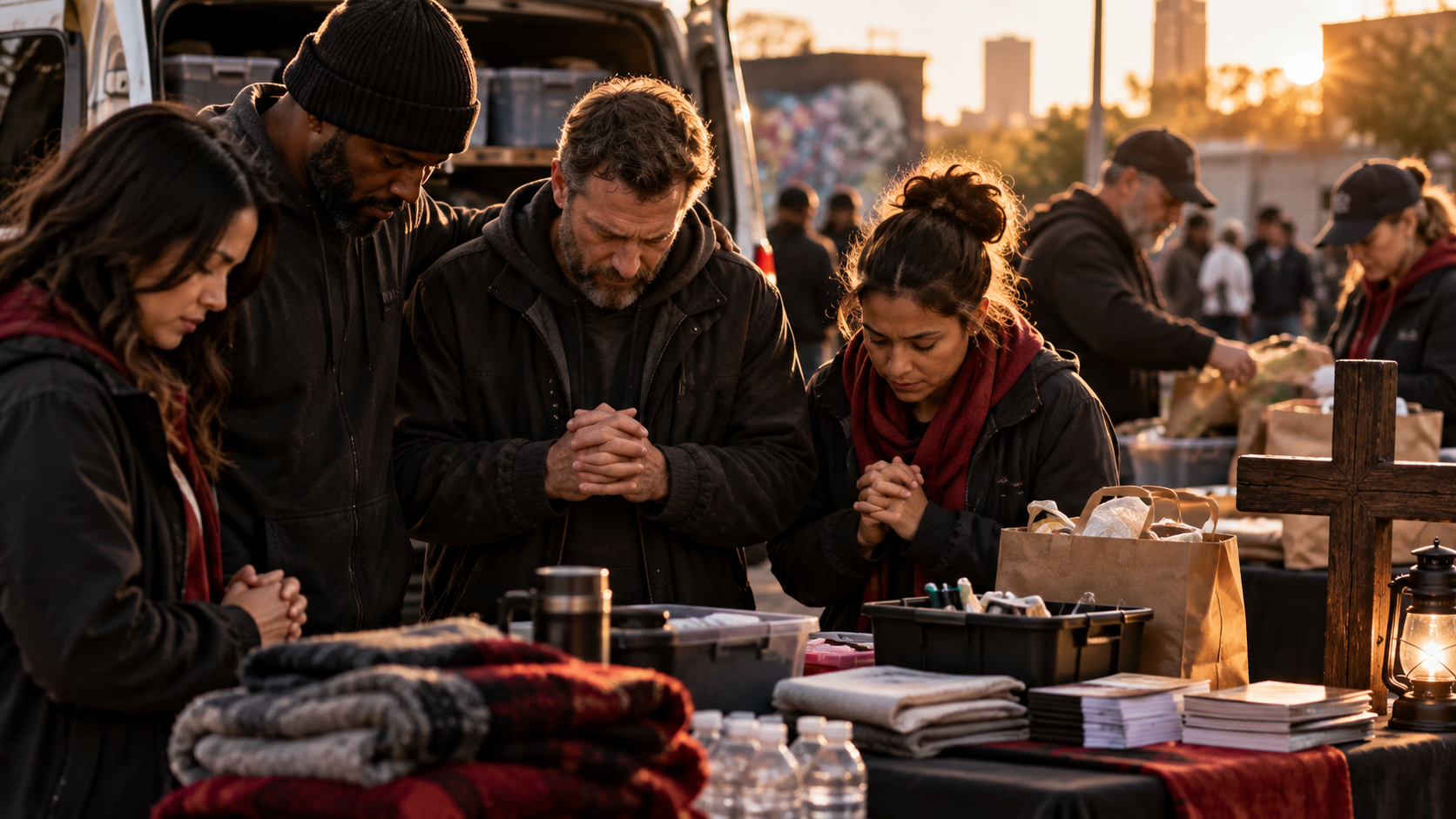
Prayer-first outreach begins before anyone sees the public moment. It begins before the table is set up, before volunteers arrive, before supplies are organized, and before a person asks for help. First, ministry begins with prayer.
The Gospel Rescue Mission is a Christian outreach ministry focused on prayer, practical care, resource direction, pop-up outreach, partnerships, and Gospel hope. Because of that, preparation matters. Prayer helps the mission move with humility, compassion, and purpose.
When outreach begins with prayer, people are not treated like projects. Instead, they are met with dignity, care, and a clear invitation to take the next right step.
Prayer-first outreach keeps ministry centered.
Outreach can become busy very quickly. There are details to plan, supplies to prepare, volunteers to coordinate, and needs to consider. However, prayer helps keep the mission centered on God and on the people being served.
Prayer reminds a ministry team that real help is more than activity. It includes compassion, wisdom, patience, and the ability to listen well.
People who need prayer can share a request through Lift My Prayer. This gives them a simple place to ask for faith-centered encouragement and prayer support.
Preparation helps outreach feel steady and respectful.
Good outreach rarely happens by accident. It takes planning, prayer, communication, and people who are willing to serve with care.
For example, a ministry team may prepare contact information, prayer cards, resource notes, event details, volunteer roles, and follow-up pathways. These simple steps help people feel respected instead of rushed.
TGRM uses pages like Resources, Need Help, and FAQ to help visitors find direction with less confusion.
Outreach should begin with prayer, not pressure.
A person in need may already feel overwhelmed. Therefore, ministry should not add more pressure. Instead, outreach should create space for listening, prayer, encouragement, and the next right step.
Prayer-first outreach helps volunteers slow down, see the person in front of them, and respond with compassion.
Prayer and practical care belong together.
Prayer-first outreach does not ignore practical needs. Instead, prayer gives practical care a faithful foundation. A person may need encouragement and also need help finding resources.
TGRM is not a walk-in food pantry or shelter. The mission listens, prays, and helps point people toward local resources, outreach opportunities, and clear next steps.
Related ministry connections can support that process. For example, Landmark Bread of Life can be connected where practical care and local support direction are relevant.
Volunteers need prayer before they serve.
Volunteers carry important responsibility. They may meet people who are hurting, tired, discouraged, or unsure about what to do next. Because of that, volunteers need more than instructions.
They need prayer, unity, patience, and clear direction. A prepared volunteer is better able to listen well, speak gently, and point people toward help without creating confusion.
Churches, families, and ministry partners can begin through the TGRM Partner page.
Connected ministries can strengthen the next step.
One ministry site does not need to carry every role. Instead, connected ministry pathways can help people move toward the right place for prayer, care, support, or encouragement.
Unbound Ministry, Lift My Prayer, Landmark Bread of Life, and TGRM can each serve people in a clearer way when the links between them are simple and natural.
As a result, people can find prayer support, practical care direction, ministry updates, volunteer pathways, and Gospel encouragement without feeling lost.
Gospel encouragement helps people keep going.
Outreach preparation should include encouragement. Some people may come to a ministry with pain they have carried for a long time. Others may simply need a reminder that hope is still possible.
Faith-centered resources like Intangible Treasures can help point hearts back to Scripture, prayer, and hope in Jesus Christ.
Encouragement should remain warm, clear, and rooted in the Gospel. That kind of message can help people feel seen, heard, and remembered.
Clear digital pathways support real outreach.
Many people first connect with a ministry online. They may see a Facebook post, watch a video, read an article, or visit the website after hearing about an outreach moment.
Therefore, the website should help people act quickly. They may need to share a prayer request, find resources, contact the mission, join updates, or learn how to serve.
For ministries and organizations that need stronger online communication, BuildRightWeb helps create practical websites that support outreach, follow-up, and connection.
Updates help people pray and serve with purpose.
Prayer-first outreach also needs clear communication. Supporters may want to pray, but they need to know what is happening. Volunteers may want to serve, but they need to know where to begin.
The Join the Updates List page gives people a place to follow prayer needs, outreach news, event announcements, volunteer opportunities, and ways to support the mission.
In addition, the Events & Pop-Up Outreach page can help people follow confirmed outreach opportunities as details become available.
The public moment is only part of the mission.
People often notice the visible parts of outreach. They see volunteers, conversations, supplies, prayer, and service. Yet much of the ministry begins earlier.
It begins when someone prays. It grows when a team prepares. Then it continues when people are treated with compassion and pointed toward a clear next step.
Prayer-first outreach reminds us that every public moment should be supported by private faithfulness.
Need prayer?
Share a prayer request and receive faith-centered encouragement.
Share a Prayer RequestNeed help or resources?
Start with prayer, resource direction, and a clear next step.
Open ResourcesFollow outreach updates
Stay connected with prayer needs, events, and volunteer opportunities.
Join UpdatesPrayer-first outreach helps people serve with compassion before the public moment begins.
When ministry begins with prayer, outreach can move with humility, clarity, and care. The goal is not just to do more. The goal is to listen well, serve faithfully, and point people toward hope in Jesus Christ.
Start with prayer. Then continue with preparation, practical care, trusted resources, and clear next steps that help people know they are not forgotten.