
Outreach Logistics: How Preparation Creates Better Ministry Moments
Outreach logistics help ministries prepare volunteers, supplies, welcoming spaces, prayer, communication, and clear next steps before outreach begins.
Outreach logistics may happen behind the scenes, but they can shape every ministry moment that follows. A welcoming outreach requires more than good intentions. It also needs prayer, preparation, clear roles, useful supplies, thoughtful communication, and a plan for what happens next.
The Gospel Rescue Mission is a Christian outreach ministry focused on prayer, practical care, resource direction, pop-up outreach, partnerships, and Gospel hope. Therefore, ministry readiness helps TGRM prepare to serve people with greater clarity and care.
Good preparation does not replace compassion. Instead, it creates more room for compassion to happen.
Outreach logistics begin before anyone arrives.
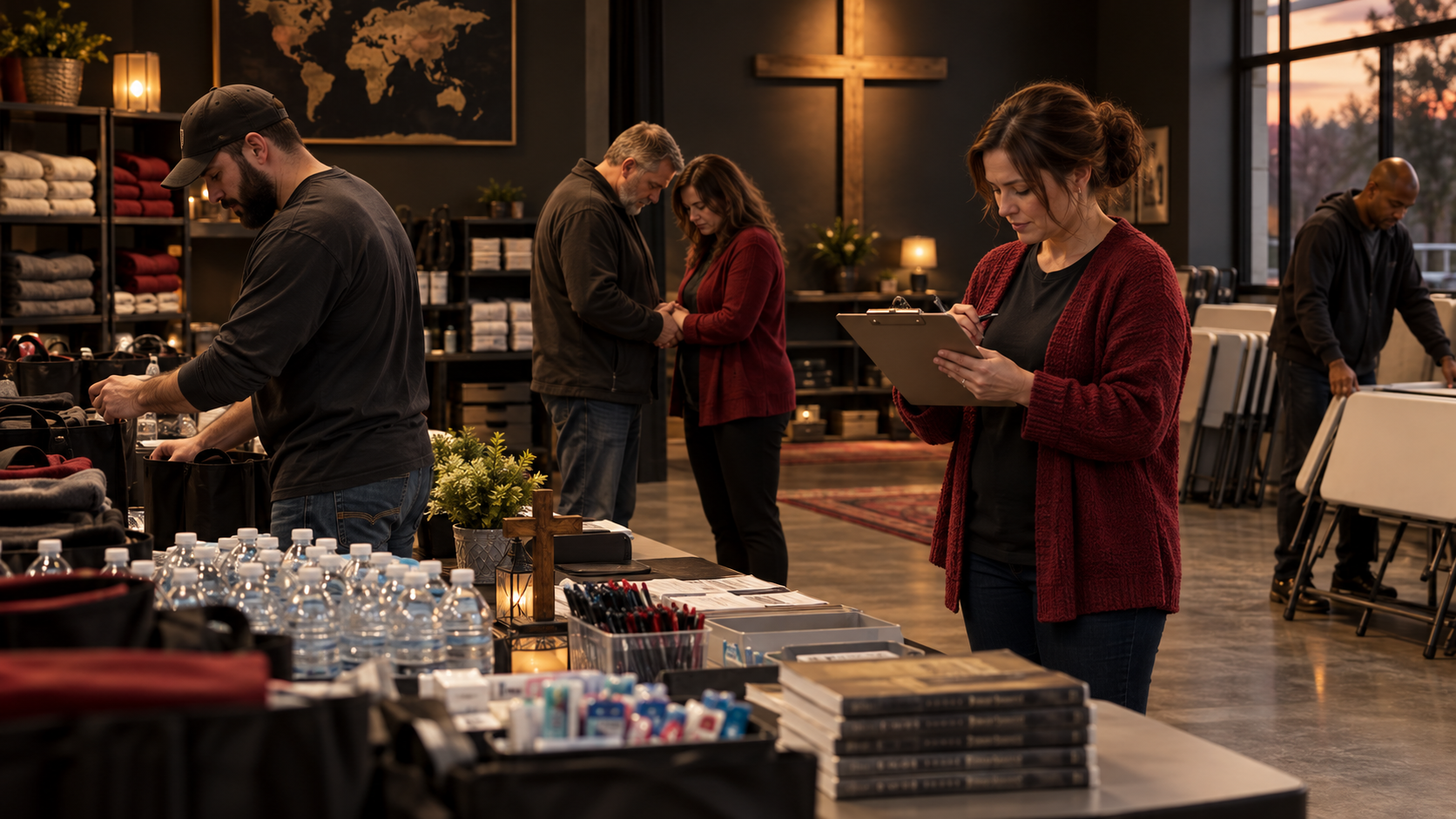
A strong outreach often begins long before the first conversation. Volunteers may need instructions. Supplies may need to be organized. In addition, someone may need to confirm the location, parking, accessibility, communication plan, and available resources.
These details may seem small. However, they can reduce confusion for both volunteers and the people receiving care.
TGRM provides clear starting points through the Need Help page, Resources page, and FAQ.
Prepare the people.
Volunteers need simple roles, clear expectations, and a shared understanding of how the ministry wants people to be treated.
Prepare the space.
A clean, accessible, organized space can help people feel more comfortable and make practical care easier to provide.
Prepare the resources.
Supplies, contact information, prayer pathways, and local resource options should be easy for the team to find.
Prepare the follow-up.
Outreach should include a clear way for someone to ask another question, request prayer, or take the next right step.
Preparation can make outreach feel calmer.
People may arrive carrying stress, uncertainty, or urgent needs. Therefore, unnecessary confusion should not become another burden.
When volunteers know their roles and resources are organized, the ministry team can focus more fully on listening, praying, and caring for people.
Prayer should be part of ministry readiness.
Preparation should never become purely operational. Prayer helps keep the heart of the outreach connected to the reason for serving.
Before an outreach begins, volunteers can pray for wisdom, compassion, safety, and opportunities to encourage people. Likewise, prayer can continue after the event as needs and conversations remain.
Anyone seeking prayer can also connect through Lift My Prayer. This gives people a simple faith-centered pathway for sharing a prayer request.
Clear volunteer roles help people serve with confidence.
Not every volunteer needs to do everything. In fact, simple roles can make outreach stronger.
One person may welcome guests. Another may organize supplies. Someone else may help with prayer, directions, setup, cleanup, or follow-up.
Churches, families, volunteers, and ministry partners who want to serve can begin through the TGRM Partner page.
The physical space can support dignity.
Ministry spaces communicate something before a conversation begins. A clear entrance, available seating, organized supplies, accessible parking, and a calm environment can help people feel welcomed.
Moreover, practical planning can make the space easier for volunteers to use. Storage, restrooms, water access, lighting, and safe movement through the area can all affect ministry operations.
The goal is not perfection. Instead, the goal is to create an environment where care can happen with less confusion.
Practical resources should be easy to locate.
Outreach teams may encounter needs related to food, clothing, housing, hygiene, transportation, or other local concerns. Volunteers do not need to know every answer from memory.
Instead, the team can maintain a clear collection of trusted resources and referral pathways. This helps volunteers respond more carefully when someone needs additional direction.
Where appropriate, Landmark Bread of Life can serve as one related ministry connection for practical support.
Trusted ministries can strengthen the referral network.
One ministry does not have to provide every service. Instead, trusted relationships can help people find the type of support that fits their situation.
For example, prayer, spiritual encouragement, practical care, and follow-up may happen through different connected ministries.
Related ministry connections include Unbound Ministry, Lift My Prayer, Landmark Bread of Life, and The Gospel Rescue Mission.
Encouragement helps volunteers stay grounded.
Outreach can involve difficult stories and unexpected needs. Because of that, volunteers also need spiritual encouragement.
Scripture, prayer, reflection, and supportive conversations can help the team remain compassionate without becoming overwhelmed.
Faith-centered resources from Intangible Treasures can support continued reflection and encouragement.
Digital organization supports real-world outreach.
Ministry readiness is not limited to physical supplies. Websites, contact forms, email updates, Facebook communication, and resource pages can support the work before and after an outreach.
For instance, a volunteer may need event details before arriving. Meanwhile, someone who received help may need a website link later.
Ministries that need stronger digital organization can explore BuildRightWeb for website and online communication support.
Communication should answer simple questions quickly.
People should not have to search through complicated information to understand what is happening. Clear communication can answer basic questions about time, location, parking, participation, prayer, and next steps.
Therefore, event information should be updated as details are confirmed. Supporters can follow upcoming opportunities through the Events & Pop-Up Outreach page.
In addition, the TGRM Updates page gives people a place to stay connected with outreach news and prayer needs.
Supplies work best when they match the actual need.
More supplies do not always create better outreach. Instead, useful supplies should match the specific purpose of the ministry moment.
For example, a pop-up outreach may need different materials than a prayer gathering or volunteer preparation meeting.
Supporters who want to help provide needed materials can review current options through the TGRM Donate page.
Follow-up turns one ministry moment into a pathway.
Outreach does not always end when an event closes. Someone may still need prayer, resource direction, encouragement, or another conversation.
Therefore, volunteers should know where to point people afterward. A clear website, contact path, prayer link, or resource page can continue the connection.
This approach helps people move from one interaction toward a practical next step.
Good outreach logistics protect the heart of ministry.
Organization is not the mission itself. However, thoughtful preparation can remove distractions that compete with the mission.
When logistics are clear, volunteers can spend more energy listening. They can pray without rushing. In addition, they can respond to practical needs with greater confidence.
Preparation creates space for people to be seen, heard, and treated with dignity.
Strong preparation creates more room for prayer, care, and meaningful connection.
Outreach logistics help volunteers know what to do, help people understand where to begin, and help ministry resources stay organized.
When preparation serves compassion, TGRM can remain focused on what matters most: prayer, practical care, clear next steps, and Gospel hope.