
How to Make Hygiene Kits: 15 Useful Items for Community Outreach
Sometimes, practical care begins with a few everyday essentials. Learn which personal-care supplies may be helpful, how to pack them, and why listening to people’s needs matters more than filling a bag.
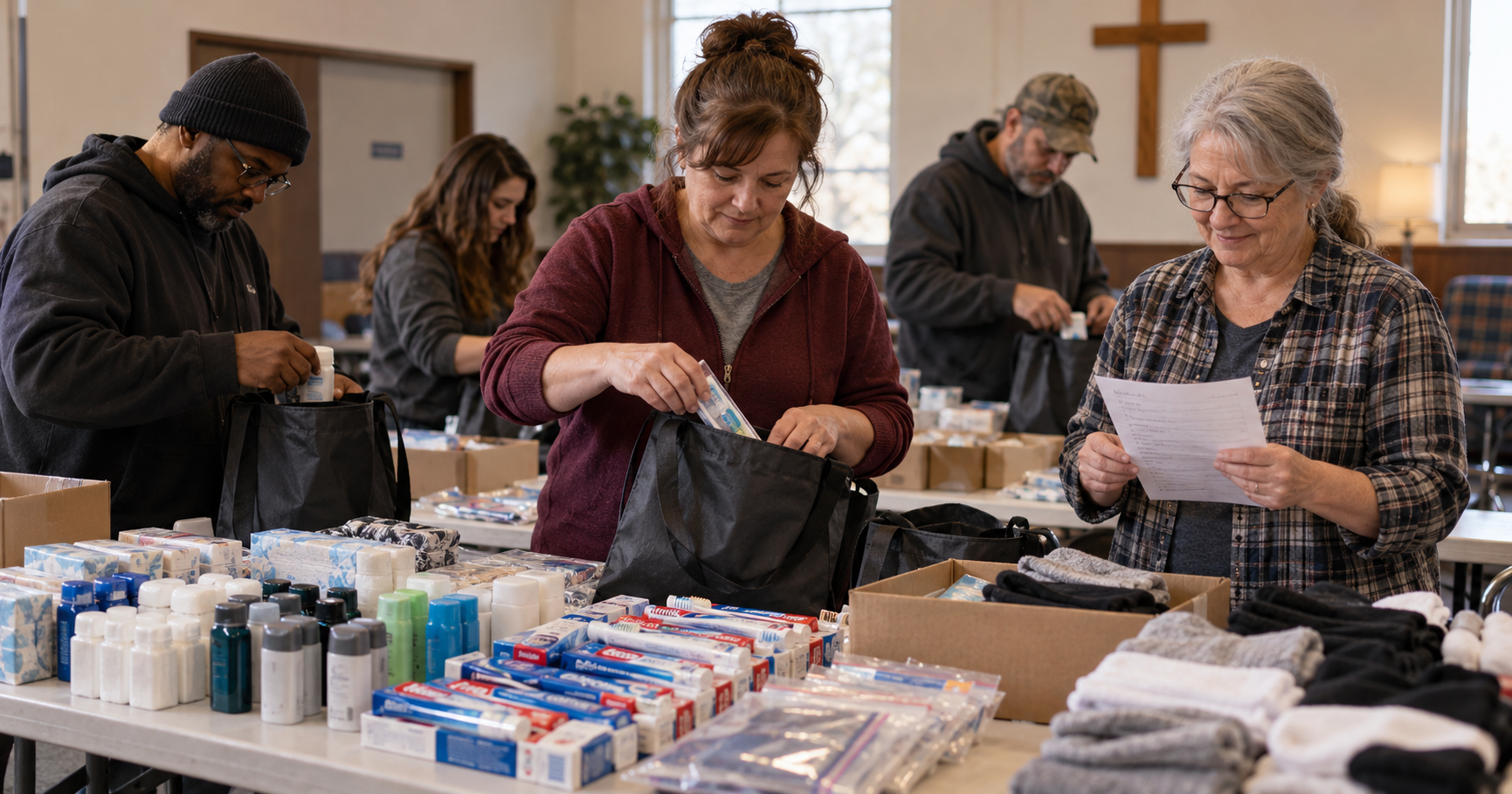
Learning how to make hygiene kits can help churches, families, and volunteer groups prepare practical personal-care supplies for outreach. However, a helpful kit involves more than gathering random toiletries.
Every person has different needs. For example, someone may prefer unscented products, need a certain hair-care item, or have limited access to running water. Therefore, the best starting point is to listen before collecting supplies.
A useful hygiene kit can offer everyday items such as soap, a toothbrush, toothpaste, and other basic essentials. Yet not every recipient will need the same products. One standard bag cannot meet every personal need.
In this guide, you’ll find 15 items to consider, simple packing instructions, common mistakes to avoid, and respectful ways to work with community organizations.
Most importantly, this guide encourages practical kindness without assumptions. A person receiving assistance deserves choice, privacy, and a respectful conversation.
How to Make Hygiene Kits: Start With Five Everyday Basics
These items may form the foundation of a basic personal-care kit. However, check the receiving organization’s requirements first.
Soap or Body Wash
Start with a new, unopened soap product. A mild, fragrance-free option may suit more people.
However, confirm whether bar soap or a travel-size liquid is preferred. Also, keep liquid containers sealed during packing.
Individually Wrapped Toothbrush
Next, add a new toothbrush. Keep it in its original protective packaging so the bristles stay clean.
If kits are intended for children or families, ask which toothbrush sizes are appropriate before buying.
Toothpaste
Include a sealed toothpaste product when requested. A smaller tube may be easier to store and carry.
Also, check package condition and expiration information. Do not include opened or partly used tubes.
Dental Floss
A small, unopened package of dental floss can support everyday oral care. Therefore, it may be useful in some outreach kits.
However, treat it as an optional item if the receiving group has a more urgent supply list.
Deodorant
An unopened deodorant is another common personal-care item. Choose a mild, low-odor product when possible.
Next, confirm the preferred size and packaging. Avoid assuming every person wants the same scent or product type.
Items 6–10: Add Supplies for Comfort and Cleanliness
Some people may benefit from additional items, especially when regular access to a bathroom is difficult. Still, ask before expanding the kit.
Travel-Size Shampoo
Shampoo can be useful when someone has a safe place to wash. A small sealed container may be easier to carry.
However, access to water and individual hair-care needs should guide your choice.
Conditioner
Conditioner may help some people care for their hair. Yet different hair types need different products.
Therefore, consider offering it as a choice rather than including one universal product.
Clean Washcloth
A new, soft washcloth may be useful for washing. It can also be folded into a small space.
Choose a material that is easy to clean. Also, keep it separate from leaking liquids.
Gentle Body Wipes
Body wipes may help with basic personal care when regular washing is not immediately possible.
However, wipes are not a complete substitute for washing with soap and safe water. Check product suitability.
Travel-Size Tissues
A small sealed tissue pack is lightweight and easy to carry. It may also be helpful during daily travel.
Next, choose packaging that stays closed and fits comfortably inside the kit.
Items 11–15: Consider Personal Needs and Preferences
These additions may be useful, but they should not be treated as requirements. Instead, ask what recipients or outreach partners prefer.
Unscented Hand Lotion
Some people may appreciate a small lotion for dry skin. A simple, unopened product may be easier to share.
However, avoid strong fragrances and check for known sensitivities when that information is available.
Lip Balm
A sealed lip balm may offer basic comfort during dry or cold weather. Choose a simple product when possible.
Also, confirm that the packaging is intact and the product is within its usable date.
Comb or Hairbrush
A new comb or brush may be useful. However, the right tool depends on hair type, length, and personal preference.
Therefore, offer choices when your outreach team has the resources to do so.
New Socks
Clean socks are not a toiletry, but they can be a useful comfort item in some care packages.
Check the requested sizes, season, and material. Also, keep socks new and packaged appropriately.
Menstrual Care Products
Pads or other requested menstrual supplies can be important personal-care essentials. However, product preferences vary considerably.
Therefore, offer suitable options discreetly when the receiving organization has identified a need.
How to Pack Hygiene Kits Without Damaging the Supplies
Packing matters because personal-care products can leak, break, or become contaminated. Therefore, use a simple process that keeps everything secure.
Inspect Every Product
First, confirm that each item is new and unopened. Check for broken seals, damaged containers, and relevant product dates.
Separate Liquids
Next, place approved liquid products in a secure bag or a separate leak-resistant compartment. Keep them away from absorbent items.
Choose Practical Packaging
Then, use a sturdy bag approved by the partner. Make sure it closes and can be carried without spilling contents.
Check the Finished Kit
Finally, review the kit against the approved list. Remove anything unsuitable and confirm the bag is ready for delivery.
In addition, avoid mixing toiletries with unprotected food. Some products have strong scents or may leak during transport. Follow your partner’s storage instructions.
What Should You Leave Out of a Standard Hygiene Kit?
Sometimes, leaving out an unsuitable product is just as important as including a helpful one. Review these examples before assembling supplies.
Opened or Used Products
Avoid partially used soaps, toiletries, and personal-care items. Instead, follow the partner’s new-product requirements.
Loose Razors or Sharp Objects
Do not place loose blades or other sharp items into a general-purpose bag. Only provide specialty items through an approved process.
Medication and Supplements
Do not add medicines, vitamins, or other health products by default. Leave those decisions to qualified programs and appropriate professionals.
Strongly Scented Products
Strong perfumes may not suit every person. Therefore, choose low-odor products when appropriate.
Also, avoid including personal messages that pressure someone to respond, provide private information, or participate in an activity. A gift should be freely offered.
A Simple Plan for a Small Hygiene Kit Assembly Project
A church or volunteer group may want to assemble several care kits together. However, begin with a confirmed receiving organization before setting a donation goal.
- Contact the outreach organization first.
- Ask which hygiene items it currently needs.
- Confirm whether it accepts assembled kits.
- Check preferred sizes and product types.
- Ask about fragrance-free or specialty needs.
- Set a manageable number of kits.
- Assign volunteers to shopping and packing.
- Use only approved new, sealed products.
- Keep liquids securely separated.
- Arrange suitable storage and transport.
- Confirm delivery time and location.
- Thank volunteers and ask about future needs.
For example, start with a small number of approved kits. Then, ask the partner whether those items were useful. Your next project can improve from that feedback.
How to Offer Personal-Care Supplies With Dignity
Personal hygiene is private. Therefore, outreach workers should avoid assumptions about a person’s circumstances, appearance, or preferences.
Ask Before Handing Someone a Kit
First, offer a simple choice. For example, you might ask, “Would any of these personal-care supplies be helpful to you?”
If the person declines, respect that decision. You do not need an explanation. A respectful offer should not create pressure.
Protect Privacy During Distribution
Next, avoid photographing or filming recipients without appropriate consent. Also, do not publish personal details or stories to promote a donation project.
Whenever possible, let recipients select suitable items privately. This helps preserve independence and dignity.
Coordinate With Established Outreach Teams
Finally, distribute through a trusted local program when you are not already part of an organized outreach team. Follow its safety, volunteer, and safeguarding rules.
Good intentions matter. However, reliable coordination helps practical care reach people more responsibly.
Where to Connect With TGRM and Practical Care Resources
Hygiene supplies are only one form of practical support. In addition, some households need food, clothing, resource direction, or compassionate conversation.
Start With The Gospel Rescue Mission
The Gospel Rescue Mission’s Partner page outlines ways individuals, churches, and groups can contribute through volunteering, resource drives, and practical support.
If your group wants to collect hygiene supplies in connection with TGRM, first send a partnership inquiry. Then, confirm current needs and whether the mission can receive those items. Do not announce an unapproved drive.
If you need help personally, visit TGRM’s Need Help page . You can describe the type of assistance you are seeking and request resource direction.
Find Food and Clothing Support Near Cincinnati
Landmark Bread of Life provides information about food and clothing assistance. Food boxes and clothing are offered by appointment after a request and callback.
Its Monday community dinner is open to everyone at 5:30 PM. However, confirm current information with the organization before planning a visit.
Faith, Prayer, and Community Connection
Connect With Christian Outreach and Fellowship
Unbound Ministry shares information about faith-centered ministry, community connection, and outreach opportunities.
If you would appreciate prayer for your circumstances or community service work, visit Lift My Prayer and choose the private prayer request option.
When asking for prayer, avoid sharing another person’s private circumstances without their permission.
Clear Online Information Helps Outreach Teams Serve Better
Community projects work better when volunteers can easily find accurate dates, accepted supplies, contact information, and delivery instructions.
For churches and ministries, Intangible Treasures provides ministry-focused digital support, including websites and outreach communications, free as capacity allows.
Meanwhile, BuildRightWeb provides paid WordPress development and technical website services for businesses.
These two organizations provide digital services, not hygiene supplies or direct personal-care assistance. Contact the appropriate outreach organization for donation requirements.
What’s One Everyday Essential People Often Overlook?
Think about personal-care items you use regularly. Which simple essential would you want available during a difficult season?
Next, talk with a local outreach organization about what people actually request. Your answer may be different from the items on its wish list.
The goal is not to assume what someone needs. Instead, it is to listen, understand, and respond thoughtfully.
How to Make Hygiene Kits: Frequently Asked Questions
How many items should a hygiene kit contain?
There is no universal number. First, ask the receiving organization for its current supply list. Then, prepare a kit based on those instructions.
Should hygiene kits contain travel-size items?
Travel-size items can be useful because they are easy to carry. However, some organizations prefer full-size products. Therefore, confirm sizes first.
Can I include used or opened toiletries?
Generally, a standard hygiene kit should contain new, unopened items. Follow the receiving organization’s rules for seals, packaging, and condition.
More Questions About Giving With Care
Should everyone receive the same hygiene kit?
Not necessarily. People have different preferences and needs. When possible, offer choices or separate optional products.
Can a small church assemble hygiene kits?
Yes, if a receiving organization agrees to accept them. First, confirm the items. Next, prepare a manageable quantity. Finally, arrange delivery.
Can I organize a hygiene kit project for TGRM?
Start by contacting TGRM through its partnership page . Ask whether hygiene supplies are currently needed and what arrangements would be appropriate.
Small Essentials Can Be Part of Meaningful Care
The value of a hygiene kit is not measured by how many products fit inside. It begins with understanding what someone actually needs.
First, listen to local outreach teams. Next, choose approved, useful items. Then, pack the supplies safely and offer them respectfully.
At The Gospel Rescue Mission, practical compassion and the hope of Jesus Christ belong together. We want every person to be treated with dignity, kindness, and care.