

Christian Outreach Space: Why Location, Access, and Welcome Matter
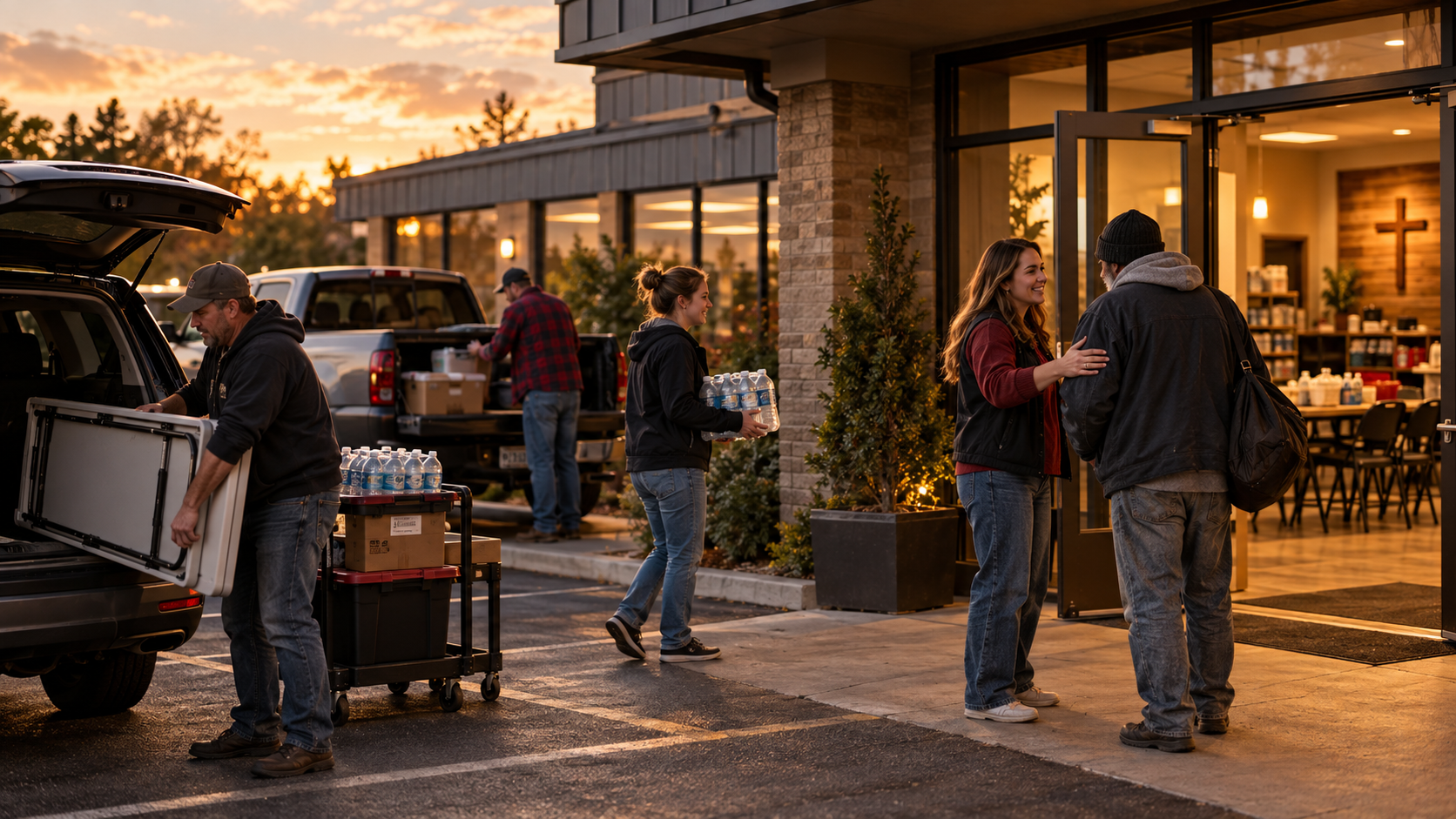
A Christian outreach space is more than a building. Thoughtful access, parking, prayer, practical care, and welcome can help people find a clear next step.
A Christian outreach space can shape the way people experience ministry before a conversation even begins. The location, entrance, parking, room layout, and atmosphere can either make the next step easier or create another obstacle.
The Gospel Rescue Mission is focused on prayer, practical care, resource connections, community outreach, and Gospel hope. Therefore, a future ministry space should support those purposes instead of becoming a building that simply looks impressive.
The goal is straightforward: create room for people to arrive, feel welcomed, receive care, connect with others, and hear the hope of Jesus Christ.
A Christian outreach space should serve the mission.
A building is useful when it helps ministry happen consistently. For example, volunteers need room to prepare, visitors need a clear entrance, and outreach supplies need an organized place to go.
At the same time, people seeking help should not feel as though they are entering a confusing facility. Clear signs, a simple welcome area, and an obvious next step can reduce uncertainty.
TGRM already helps people begin through its Need Help and Resources pathways. A physical ministry location can follow that same principle: make the next step easy to understand.
Easy Arrival
A visible entrance and practical parking can make arrival simpler for visitors, volunteers, church partners, and outreach teams.
Room For Prayer
A quieter area can give people space for conversation, encouragement, Scripture, and prayer without unnecessary distractions.
Practical Service
Storage, tables, utilities, restrooms, and preparation areas can help volunteers serve in an organized and dependable way.
Clear Connection
Visitors should know how to ask for prayer, find resources, contact the ministry, or take another helpful next step.
Location affects who can realistically reach the ministry.
A useful outreach location should consider the people being served as well as the people doing the serving. Distance matters. Transportation matters. Parking and nearby access matter too.
Therefore, ministry leaders should look beyond square footage alone. A less impressive building in a practical location may serve people better than a larger building that is difficult to reach.
In addition, the surrounding community should help shape how the ministry prepares. Local needs, trusted relationships, nearby churches, and community resources can all influence how a space is used.
The best ministry space is one that helps people take the next right step.
Outreach does not require a perfect building. However, it does benefit from a space that is dependable, welcoming, practical, and ready for people.
When the space supports the mission, volunteers can focus less on obstacles and more on prayer, care, connection, and Gospel hope.
Parking can support both outreach and volunteer readiness.
Parking may sound like a small detail, yet it can affect almost every part of an outreach day. Volunteers may arrive with supplies. Church partners may bring meals or equipment. Visitors may also need a simple place to enter and leave.
Because of that, a ministry should think about how cars, deliveries, volunteers, and visitors will move through the property. A clear parking area can make the entire experience calmer.
Furthermore, adequate exterior space may support future outreach activities when those opportunities are appropriate and properly planned.
Welcome begins before someone sits down.
People often remember how a place made them feel. A clean entrance, warm greeting, organized room, and caring volunteer can immediately communicate respect.
However, welcome does not require expensive décor. Instead, consistency matters more. People should feel that someone prepared for them and expects to treat them with dignity.
That same spirit should continue through every interaction, whether someone needs prayer, practical guidance, conversation, or a trusted resource connection.
Prayer needs a clear place within Christian outreach space.
Practical care can open a conversation, while prayer can help bring the conversation back to God. Therefore, prayer should not feel like an afterthought.
A quieter corner, table, office, or conversation area can give volunteers room to listen and pray with someone respectfully.
People can also submit prayer requests through Lift My Prayer. This creates another prayer pathway when someone cannot visit in person or would rather begin online.
Practical care works better when resources stay organized.
Outreach supplies can quickly become difficult to manage without a clear system. Therefore, storage deserves attention when evaluating a future ministry property.
Shelving, preparation space, secure storage, tables, and simple work areas can help volunteers spend more time serving and less time searching for what they need.
Meanwhile, people looking for food or clothing direction near Cincinnati may also find a separate local connection through Landmark Bread of Life.
Church partners need a space where they can serve clearly.
Churches may want to help with prayer, volunteers, meals, supplies, encouragement, or special outreach opportunities. Yet good intentions work best when the roles are clear.
For that reason, an outreach space should make volunteer coordination simple. Teams should know where to enter, where supplies belong, what task they are supporting, and who is leading the effort.
Churches and individuals who want to serve can begin through the TGRM Partner page.
Trusted ministry relationships can extend what one location provides.
One Christian outreach space does not need to become every kind of ministry. Instead, strong relationships can help people move toward the support that fits their situation.
For example, prayer ministries, churches, local practical-care organizations, and other Christian ministries can each contribute in different ways.
Unbound Ministry is another ministry connection within the broader network of faith-centered relationships surrounding TGRM.
Spiritual encouragement should remain part of the environment.
A ministry space may address practical needs, but Gospel-centered outreach also cares about the heart. Therefore, Scripture, prayer, encouragement, and compassionate conversation should remain visible in the ministry culture.
Resources such as Intangible Treasures can support spiritual reflection and Christian encouragement beyond a physical visit.
As a result, people can continue receiving encouragement even after they leave the building.
The physical space and digital pathway should work together.
A visitor may discover TGRM online before ever seeing a physical ministry location. Likewise, someone who visits in person may later return to the website for prayer, updates, resources, or contact information.
Therefore, the physical and digital experience should support one another. Clear web pages, simple calls to action, contact forms, and mobile-friendly information can help people continue the relationship after an outreach encounter.
BuildRightWeb supports organizations with website and digital-development work that can strengthen those online pathways.
Flexibility can help a Christian outreach space grow responsibly.
Ministry needs can change over time. One season may require more storage, while another may bring additional volunteers, prayer appointments, outreach events, or practical-care activities.
Because of that, flexible rooms can be valuable. A simple room may serve as a volunteer briefing area one day and a prayer or resource-conversation area another day.
However, growth should not create unnecessary complexity. The space should remain understandable, manageable, and connected to the mission.
Before committing to a location, ask practical questions.
A ministry should examine more than rent before making a decision. For example, leaders should understand the total monthly cost, parking arrangement, utilities, restrooms, storage, accessibility, permitted use, and any local requirements that apply to planned activities.
In addition, the team should consider whether volunteers can operate there consistently. A property may look affordable at first, yet poor access or limited functionality can create challenges later.
Careful preparation does not slow the mission down. Instead, it can help create a stronger foundation for faithful outreach.
A useful ministry space helps people feel expected.
People who are hurting should not feel as though they are an interruption. A prepared outreach space can communicate something different: there is room for you here.
That message can appear through a volunteer who listens, a chair ready for conversation, a table prepared for care, or a quiet moment of prayer.
Ultimately, the building is not the mission. The people, prayer, Gospel message, and faithful service are what give the space its purpose.
Need prayer?
Share a prayer request and receive faith-centered encouragement.
Share a Prayer RequestWant to serve?
Churches, volunteers, families, and supporters can learn how to get involved.
Partner With TGRMHave a question?
Reach out to TGRM about prayer, outreach, resources, partnership, or support.
Contact TGRMA Christian outreach space should create room for people, prayer, practical care, and Gospel hope.
The right location is not simply the building with the most square footage. It is the place that helps the ministry serve faithfully, organize wisely, welcome people with dignity, and remain accessible to the community.
When location, access, volunteers, prayer, resource connections, and Gospel-centered care work together, a building can become something more useful: a steady place where people can find connection and the next right step.