
Outreach Readiness: Preparing the Space, People, and Tools Before Ministry Begins
Outreach readiness helps a ministry prepare the space, volunteers, prayer, practical resources, and clear next steps needed to serve people with care.
Outreach readiness begins long before the first person walks through the door. A ministry may have compassion, volunteers, and a strong desire to serve. However, preparation helps turn that desire into steady care.
The Gospel Rescue Mission is focused on prayer, practical care, resource direction, outreach, partnership, and Gospel hope. Therefore, preparing the environment matters. The right setup can help people feel welcomed instead of confused.
When space, people, tools, and communication work together, ministry becomes easier to understand. As a result, volunteers can focus more attention on the people they serve.
Outreach readiness starts with a usable space.
A ministry space does not have to be impressive. Instead, it should be useful, welcoming, safe, and easy to understand.
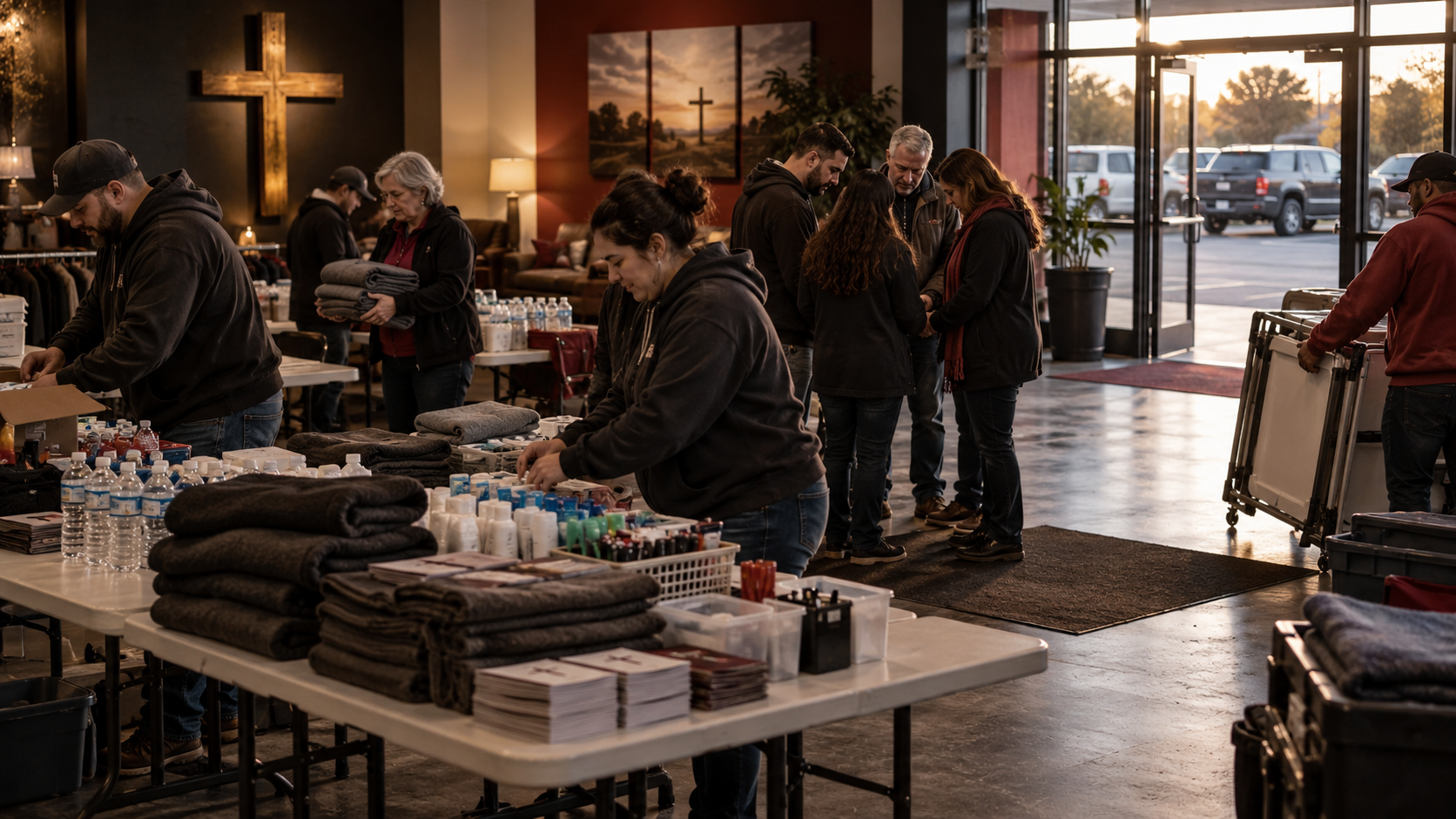
For example, visitors should know where to enter, where to sit, and who to speak with. Volunteers also need enough room to move without creating confusion.
In addition, practical spaces may need areas for prayer, conversations, supplies, storage, volunteer preparation, or resource information.
Accessible Arrival
Clear entrances, usable parking, simple directions, and an easy arrival experience can reduce stress before a conversation even begins.
Volunteer Flow
Defined roles help volunteers know where to prepare, welcome, pray, serve, organize supplies, and provide follow-up.
Practical Resources
Organized supplies, resource information, contact paths, and referral options help the team respond without unnecessary delay.
Prayer First
Prayer keeps the ministry focused on people rather than activity and reminds the team why the outreach exists.
Parking and accessibility can become ministry issues.
A location can look promising but still create barriers. Limited parking, difficult entrances, or confusing access may prevent people from participating.
Therefore, outreach readiness should include the full arrival experience. A visitor may be coming for prayer, support, or a first conversation. The process should feel simple from the beginning.
Likewise, volunteers need practical access when bringing supplies, preparing equipment, or helping with outreach activities.
Preparation should remove friction, not create more of it.
People may arrive carrying stress, uncertainty, or difficult circumstances. Clear preparation allows the ministry team to welcome them with greater calm.
Because of this, the best setup is often the one that makes the next step easier to understand.
Volunteer preparation strengthens outreach readiness.
Volunteers should not have to guess what their role is. Instead, simple direction can help each person serve with confidence.
One volunteer may welcome people. Another may organize supplies. Meanwhile, someone else may pray, listen, or help with resource direction.
Churches, families, and individuals who want to serve can begin through the TGRM Partner page.
Prayer prepares the heart before the work begins.
Outreach preparation is not only logistical. Spiritual preparation matters too. Prayer helps volunteers remember that ministry is about people, not projects.
In addition, prayer can shape the way a team listens and responds. It can slow down rushed decisions and create room for compassion.
People who need prayer can also connect through Lift My Prayer. That gives someone a clear prayer pathway even outside an outreach setting.
Practical supplies should support the mission.
Supplies are useful when they match a real need. Therefore, ministry teams should avoid collecting items without a clear plan for storage or distribution.
Instead, organized supplies make outreach easier. Clothing, hygiene items, resource cards, prayer materials, tables, chairs, or outreach equipment should have a defined purpose.
For local practical-care connections, visitors can also learn about Landmark Bread of Life.
Mobile outreach requires another level of preparation.
Some outreach happens outside a permanent building. In those situations, preparation becomes even more important.
For example, a mobile team may need to think about equipment, weather, transportation, setup time, storage, power, safety, and volunteer roles. As a result, a simple checklist can prevent many last-minute problems.
Even when the location changes, the ministry message should remain steady: prayer, practical care, dignity, and hope in Jesus Christ.
Trusted ministries can strengthen the response.
Outreach readiness does not mean one organization must provide every service. In fact, trusted connections can make care stronger.
Someone may need prayer, practical support, spiritual encouragement, or another form of care. Therefore, knowing where to point people matters.
Unbound Ministry, Lift My Prayer, Landmark Bread of Life, and TGRM can each provide different pathways of ministry connection.
Clear communication is part of outreach readiness.
People should know what an outreach offers before they arrive. Volunteers should also know where to find current information.
For this reason, websites, social posts, contact forms, and updates should use simple language. Clear communication reduces uncertainty and helps people respond.
TGRM visitors can begin through the Need Help page, review available direction through Resources, or follow future opportunities through the Events & Pop-Up Outreach page.
Digital preparation can support physical outreach.
A ministry may serve people face to face, yet digital tools can still support the work behind the scenes.
For example, forms can collect requests. Website pages can explain next steps. Updates can prepare volunteers. In addition, prayer links can keep support available between outreach events.
Intangible Treasures supports Christian ministries with practical digital tools, while BuildRightWeb provides professional WordPress and web-system development.
Storage and organization protect consistency.
Outreach can become difficult when supplies are scattered or volunteers cannot find what they need. Therefore, organization deserves attention.
Labels, storage areas, simple inventories, and clear responsibilities can save time. Moreover, organized resources make it easier to prepare for the next outreach.
Consistency often grows from ordinary systems that work quietly in the background.
Good preparation creates more room for people.
The purpose of outreach readiness is not to make ministry feel corporate. Instead, preparation should create more room for listening, prayer, and care.
When volunteers know their roles and resources are organized, the team can spend less time solving preventable problems. As a result, people receive more attention.
Ultimately, the space and tools should serve the mission rather than distract from it.
Need prayer?
Share a prayer request and connect with faith-centered encouragement.
Share a Prayer RequestWant to serve?
Learn how volunteers, churches, and partners can connect with the mission.
Partner With TGRMFollow outreach opportunities
Stay informed as events and outreach opportunities develop.
View Outreach EventsOutreach readiness helps turn good intentions into steady, compassionate ministry.
A prepared space, clear volunteer roles, organized resources, accessible pathways, prayer, and strong communication can make outreach easier for everyone involved.
Most importantly, preparation gives the ministry more room to listen, care for people, and point them toward hope in Jesus Christ.