
Website Prayer Pathways: Helping Online Visitors Move From a Click to Care
Website prayer pathways help online visitors move from a click to prayer, practical care, Gospel hope, trusted resources, and a clear next step.
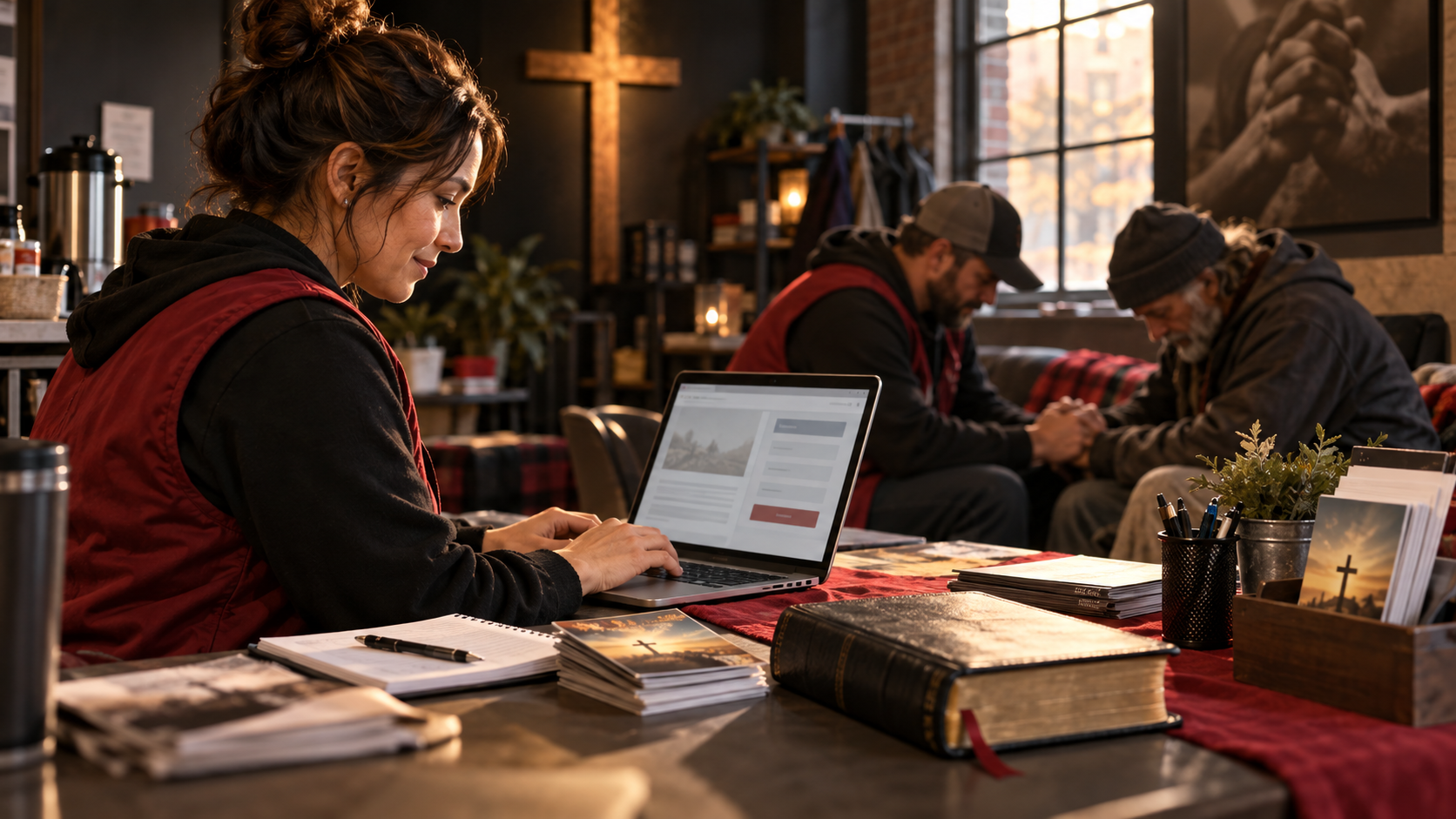
Website prayer pathways matter because many people first reach out online. A person may click a Facebook post, visit a footer link, read an article, or open a ministry page because they need prayer, care, or direction.
The Gospel Rescue Mission is a Christian outreach ministry focused on prayer, practical care, resource direction, pop-up outreach, partnerships, and Gospel hope. Because of that, online pathways should feel warm, simple, and easy to follow.
When a website guides visitors clearly, a simple click can become a meaningful step toward prayer, support, trusted resources, and hope in Jesus Christ.
Website prayer pathways help visitors know what to do next.
Online visitors often arrive with different needs. For example, one person may need prayer. Another may need resource direction. In addition, someone else may want to volunteer, partner, or give.
A strong website prayer pathway does not make people search too hard. Instead, it gives them clear choices and supportive wording.
TGRM helps visitors begin through pages like Need Help, Resources, and FAQ.
A prayer request link can be a doorway to care.
Prayer is often one of the easiest first steps for someone who feels burdened. A visitor may not know what to say, but they may be willing to ask for prayer.
Therefore, a visible prayer request link can help people take action without confusion. It should feel personal, respectful, and easy to use.
People who need prayer can share a request through Lift My Prayer. This helps create a simple prayer pathway connected to faith-centered encouragement.
Online care should feel clear, not crowded.
A website does not need to place every message in one section. Instead, it should guide people with simple choices, helpful links, and warm next steps.
When the pathway is clear, visitors are more likely to understand where to go for prayer, help, updates, partnership, or support.
Footer links can quietly guide people.
A footer can do important ministry work. It appears across the site and can help people find the right option after they finish reading a page.
For example, a clear “Share a Prayer Request” button can point people to Lift My Prayer. A “Find Help and Resources” link can guide visitors to support pages. Also, a “Partner or Volunteer” button can help supporters respond.
These small details help online visitors move from browsing to action.
Practical care needs a clear online starting point.
Some visitors may be looking for food direction, clothing information, hygiene support, housing guidance, or local resources. They may not know which ministry to contact first.
TGRM is not a walk-in food pantry or shelter. The mission listens, prays, and helps point people toward local resources, outreach opportunities, and clear next steps.
Where practical care direction is relevant, Landmark Bread of Life can serve as a helpful connection for local support information.
Connected ministry websites should support one another.
Ministry websites work best when each one has a clear role. One site may help with prayer requests. Another may offer practical care information. Another may provide outreach updates, events, or partner opportunities.
Because of that, ministry links should feel natural and useful. They should not distract visitors. Instead, they should guide people to the right place at the right time.
Sites such as Unbound Ministry, Lift My Prayer, Landmark Bread of Life, and TGRM can support one another through clear, careful placement.
Encouragement makes the pathway feel human.
A website pathway should not feel cold or mechanical. People who ask for prayer or help should feel seen, respected, and invited into care.
Faith-centered encouragement can help visitors remember that God sees them and that hope is still possible. Resources like Intangible Treasures can support that kind of reflection through Scripture, prayer, and spiritual encouragement.
As a result, digital outreach can feel more personal and more helpful.
Good website design helps ministry response.
Design matters because people often decide quickly whether a page feels trustworthy. Clear headings, readable buttons, mobile-friendly layouts, and simple language can all help visitors stay engaged.
A ministry website should make prayer, help, resources, updates, and partnership easy to find. In addition, the design should support the mission without making the page feel cluttered.
For ministries that need stronger online communication, BuildRightWeb helps create practical websites that support outreach, follow-up, and connection.
Facebook posts can lead people into a prayer pathway.
Social media often becomes the first doorway. Someone may see a post about prayer, outreach, practical care, or Gospel hope before they ever visit the website.
Therefore, Facebook captions, comments, and automated replies should point people toward clear next steps. A prayer request link, a Need Help page, and an Updates page can all help guide that response.
The Join the Updates List page helps people stay connected with prayer needs, outreach news, event information, volunteer opportunities, and ways to support the mission.
Supporters need clear action steps too.
Not every visitor is seeking help. Some people visit because they want to pray, serve, partner, or give.
Clear action steps help supporters respond with purpose. For example, they can begin through the Partner page, the Donate page, or the Events & Pop-Up Outreach page.
When supporters know where to go, they can take action with more confidence.
The best pathway is simple and compassionate.
Website prayer pathways should never overwhelm visitors. Instead, each link and button should help someone feel less confused and more supported.
The goal is not only to increase clicks. The goal is to help people move toward prayer, practical care, trusted resources, and Gospel hope.
When online pathways are built with compassion, they can serve real people in real moments of need.
Need prayer?
Share a prayer request and receive faith-centered encouragement.
Share a Prayer RequestNeed help or resources?
Start with prayer, resource direction, and a clear next step.
Open ResourcesWebsite prayer pathways help online visitors find care with clarity and compassion.
A simple online pathway can help someone share a prayer request, find resources, contact the mission, follow updates, or support the work.
Through clear links, trusted partners, and Gospel-centered communication, TGRM can help more people move from a click toward care.