
Helping people take the first step back.
Compassionate outreach is often the first step back for someone who feels forgotten. First, a person may need a meal, a prayer, a safe conversation, or one steady reminder that they are still seen by God and by people. After that, trust can grow, and long-term conversations can begin with dignity instead of pressure.
Helping People Take the First Step Back Through Compassionate Outreach
The Gospel Rescue Mission exists to meet hardship with dignity, practical care, prayer, and the hope of Jesus Christ. Because of that, one faithful act of compassion can help someone move from isolation toward connection and from discouragement toward hope.
Dignity begins the work of compassionate outreach.
People do not become their worst moment. A person may be hungry, unhoused, overwhelmed, grieving, or unsure where to turn next, but that does not erase their worth. The work of The Gospel Rescue Mission begins with this simple conviction: every person should be approached with dignity before anything else.
Dignity changes the way help is offered. For example, it keeps a meal from feeling like a transaction. It also keeps prayer from becoming a performance. Most importantly, it reminds volunteers and supporters that practical care is not about looking charitable. It is about reflecting the heart of Christ through patience, warmth, and presence.
What the first step can look like.
Practical help can open the door to deeper hope.
Visible care lowers the pressure of the moment.
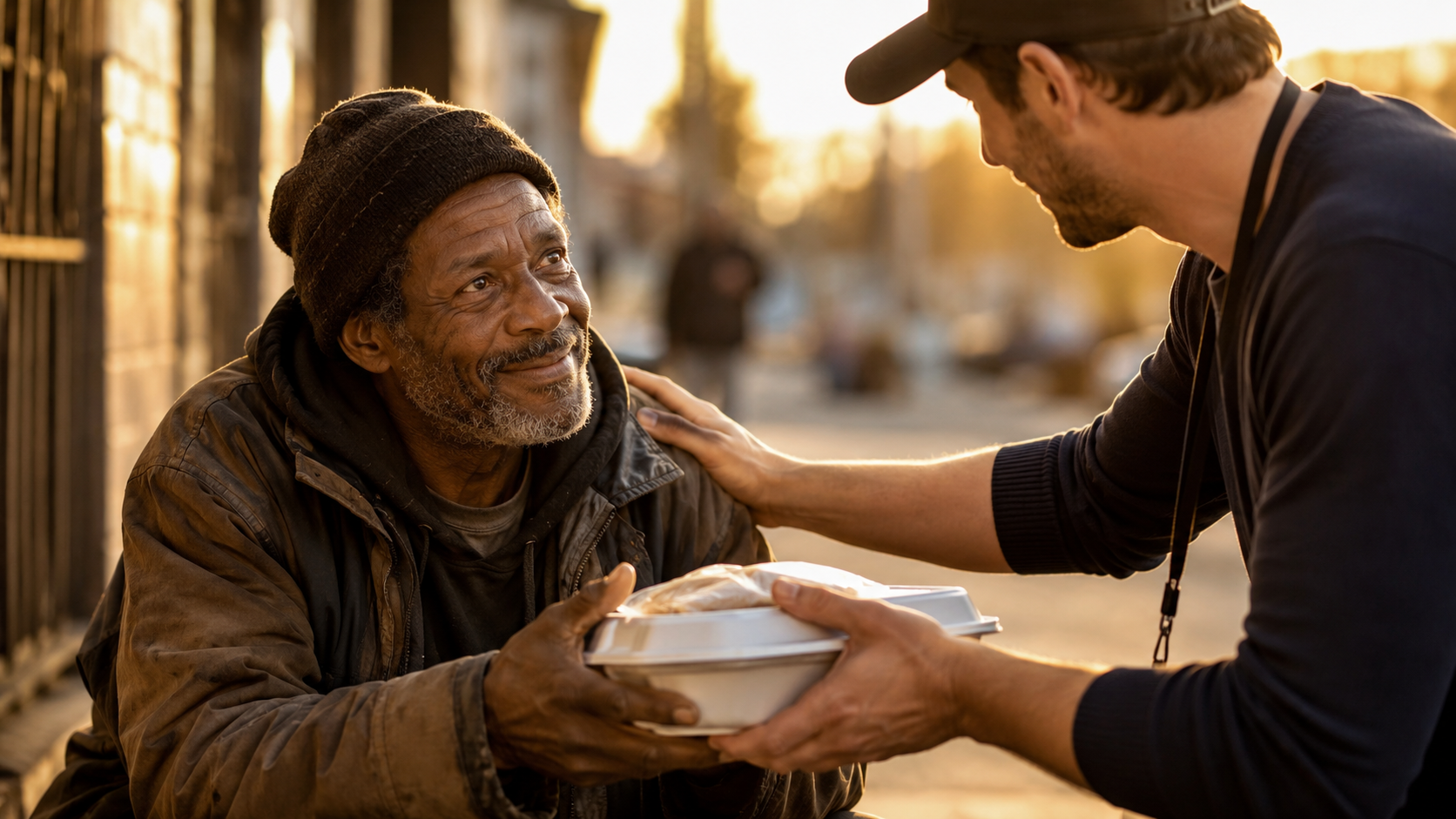
When someone is in survival mode, practical needs often speak first. Hunger, fear, cold weather, isolation, transportation problems, or a lack of clean clothing can make hope feel far away. In those moments, compassionate outreach becomes visible through action.
In addition, a hot meal, a hygiene item, a listening ear, or a connection to the right local resource can help lower the pressure of the moment. Then, as trust grows, deeper conversations become possible.
The Gospel gives compassionate outreach its center.
Compassion matters deeply, but The Gospel Rescue Mission is not built on compassion alone. Instead, the mission is centered on the hope of Jesus Christ. Practical care meets visible needs, while Gospel hope speaks to the deeper need for restoration, forgiveness, belonging, and new life.
However, this does not mean every conversation has to be forced. Instead, the Gospel shapes the posture of the work. It teaches us to serve with humility, speak with truth, listen with patience, and remember that people are not beyond the reach of God’s grace.
Small acts of care can become pathways to restoration.
Restoration is rarely instant. A person may need time, trust, direction, encouragement, and repeated reminders that their life still matters. Therefore, compassionate outreach must be steady enough to meet immediate needs and patient enough to keep pointing people forward.
Restoration often starts with one faithful step.
For example, some people begin with a meal. Others begin by asking for prayer. In other cases, someone reaches out through a form, a message, or a conversation with a person who simply listens. However the first step begins, the mission is the same: help people move from isolation toward connection, from confusion toward clarity, and from despair toward hope.
Churches, volunteers, and donors all have a place.
Compassionate outreach grows when people choose to pray, serve, give, share, and stay present. In addition, churches, volunteers, donors, and ministry partners all help carry the work forward in a meaningful way.
To learn more about standing with the mission, visit the Partner page. To support outreach financially, visit the Donate page.
Prayer keeps compassionate outreach spiritually grounded.
Prayer reminds us that people need more than resources. In fact, they need hope, restoration, and the presence of God in the middle of hardship.
For people who need prayer support beyond one conversation, prayer requests can also be shared through Lift My Prayer.
Prayer, outreach, and digital support work together.
The Gospel Rescue Mission is part of a wider network of prayer, encouragement, digital support, and Gospel-centered resources. These links can help visitors find the next right place to connect.
Compassionate outreach is one way hope becomes visible.
Ultimately, The Gospel Rescue Mission believes that dignity, prayer, practical help, and Gospel hope belong together. Whether you need help or want to help carry the mission forward, there is a meaningful next step.